Merch: The New Language of Brands, Influencers, and Revenue Streams
In today’s digital age, merchandise is no longer just a product; it’s a powerful communication tool, a direct connection to audiences, and a thriving revenue stream. From global brands to influencers, and even small businesses, merch has evolved into a cultural phenomenon. Here’s why merch is the new way everyone is speaking to the world and building wealth.
Key takeaways
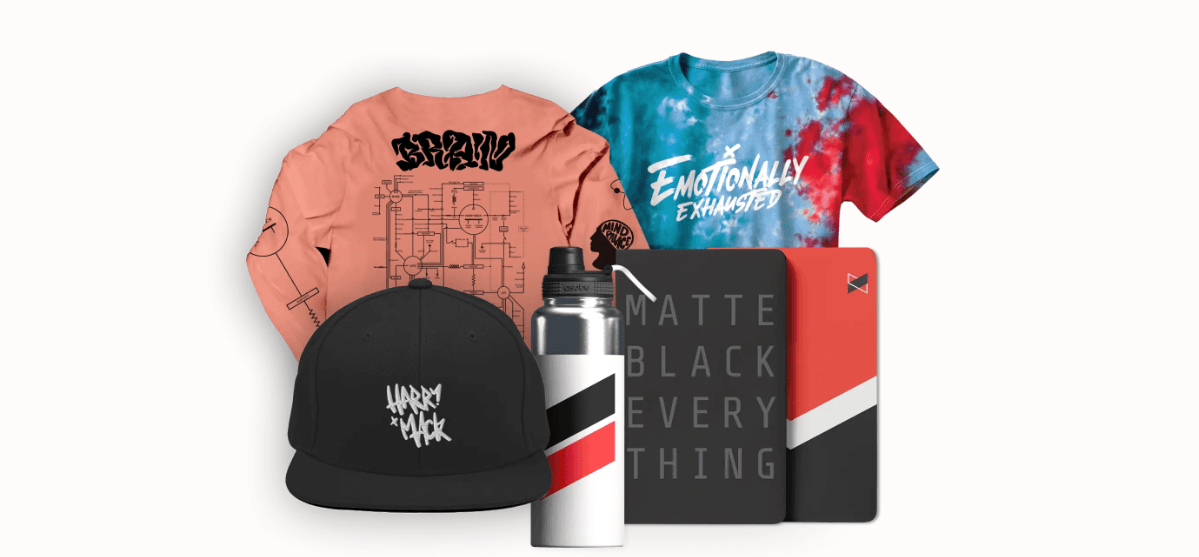
Merch has shifted from giveaway to communication channel and revenue line for brands, influencers, and creators because a worn or carried product reaches audiences in ways a paid post cannot, and the global custom merch market crossed $30 billion in 2023.
The short version of why merch moved from side hustle to core channel:
- A hoodie or tote earns brand impressions every time it leaves the house, which is durability paid media cannot match.
- Creators on YouTube, TikTok, and Twitch turned merch into a real revenue line because their audiences treat it as belonging.
- Brands like Nike, Disney, Supreme, and RHUDE proved branded product can hold any price point the brand earns.
- The global custom merch market crossed $30 billion in 2023 and continues to grow across direct-to-consumer channels.
- Print-on-demand and digital merch lower the inventory risk for new entrants, which is widening the field of who can run a real merch program.
Merch market at a glance
A categorical view of what the merch market looks like today:
- Market size: over $30 billion globally in 2023, growing across creator and brand channels.
- Top creator categories: gaming streamers, beauty creators, sports commentary, lifestyle vloggers.
- Top brand categories: streetwear capsules, sports leagues, music tours, software companies, sneaker collaborations.
- Distribution: direct-to-consumer through Shopify and dedicated merch stores, plus retail collaborations.
- Production model: a mix of full inventory runs for established brands and print-on-demand for new entrants.
Why is merch a communication channel and not a giveaway
Ads, emails, and social posts compete in a feed. A hoodie, a tote, or a mug does not. It gets worn and carried. Physical merch is one of the few channels left where a brand shows up in someone's daily life without buying impressions on someone else's platform.
A T-shirt with a strong line on it becomes wearable signage. A custom water bottle with a tagline becomes a daily prompt back to the channel that printed it. A limited drop becomes a collectible that fans actually keep, which is the kind of behavior a sponsored post never produces.
The result is a channel that is wearable, usable, and shareable. Every time the recipient leaves the house wearing the piece, the brand gets a free impression, the kind that builds loyalty in ways a paid feed placement cannot. Followers turn into people who carry the brand in public.
How did creators turn merch into a real revenue line
Creators on YouTube, TikTok, and Twitch built merch into a core part of their business because their audiences feel ownership over the brand. A merch line designed by the creator reflects the voice and the inside jokes the audience already knows. The product is authentic by default, which is the hardest thing for a corporate brand to manufacture.
Three patterns make creator merch work. The drops are limited, which creates the same scarcity dynamic that powers streetwear. The product is community signal, which is why fans wear creator merch the way sports fans wear a jersey. And the relationship is direct: the audience puts money behind someone they back, and the creator captures the margin instead of handing it to a retail middle layer.
For creators, merch is more than a revenue line. It is a way to deepen the relationship with the audience without depending on platform algorithms. For fans, it is a way to put real money behind someone they back. For both sides, the piece is the bond made physical.
Why are major brands now treating merch as core revenue
Merch has moved from side hustle to core revenue. Nike and Disney built it into the business decades ago. Startups now treat it the same way, as a channel to grow reach and diversify income. Three forces drive the shift.
First, sustained marketing. A quality hoodie or reusable tote keeps generating impressions long after a digital ad has cycled out. Second, audience insight. Merch sales data shows which fans are most engaged and which designs land, which is real first-party data in a market where third-party data keeps getting cut. Third, experiential value. Merch tied to a launch, tour, or campaign becomes a memento attached to the moment.
Supreme and RHUDE proved branded product can sit at any price point the brand earns. The implication for a typical B2B brand is not that the next merch run should be priced like Supreme, it is that the production standard, the materials, and the design have to compete with what the audience already wears. The bar moved up. The brands ordering against the new bar are the ones getting their merch worn instead of donated.
What this means for your team
The takeaway for a brand or creator team is that merch is no longer a thank-you item. It is a channel with its own production standard, its own audience economics, and its own metrics. Treat it like a product line, not a budget line.
The brands and creators getting the most out of merch source against a real spec, design with the recipient in mind, and run their drops the way a streetwear label runs a capsule. The result is product that gets worn, photographed, and posted, which is the cheapest sustained marketing on the table.
If your team is building a merch program (a single drop, a creator capsule, or a recurring product line), schedule a 15-minute walkthrough and we'll map design, sourcing, decoration, and campaign launch on a single call.
Related reading: Custom New York Times Merch and Revolutionizing Print on Demand.
Glossary: terms used in this article
Quick reference for terms used in this article:
- Drop: a limited-quantity, time-bounded merchandise release, borrowed from streetwear.
- Capsule: a small, cohesive product collection released as a set, typically tied to a theme or moment.
- Print-on-demand: a production model that prints each unit only after an order is placed, so the seller carries no inventory.
- Direct-to-consumer (DTC): selling through channels the brand owns, like its own store, instead of through retail middle layers.
Ready to build your merch?
Custom design, production, campaigns, and global fulfillment. One partner, zero platform fees. Nothing off a catalog.
Create an account to browse, design, and request orders right away. A discovery call with your rep completes onboarding.