How Nostalgia Merch Sold Out in Under an Hour
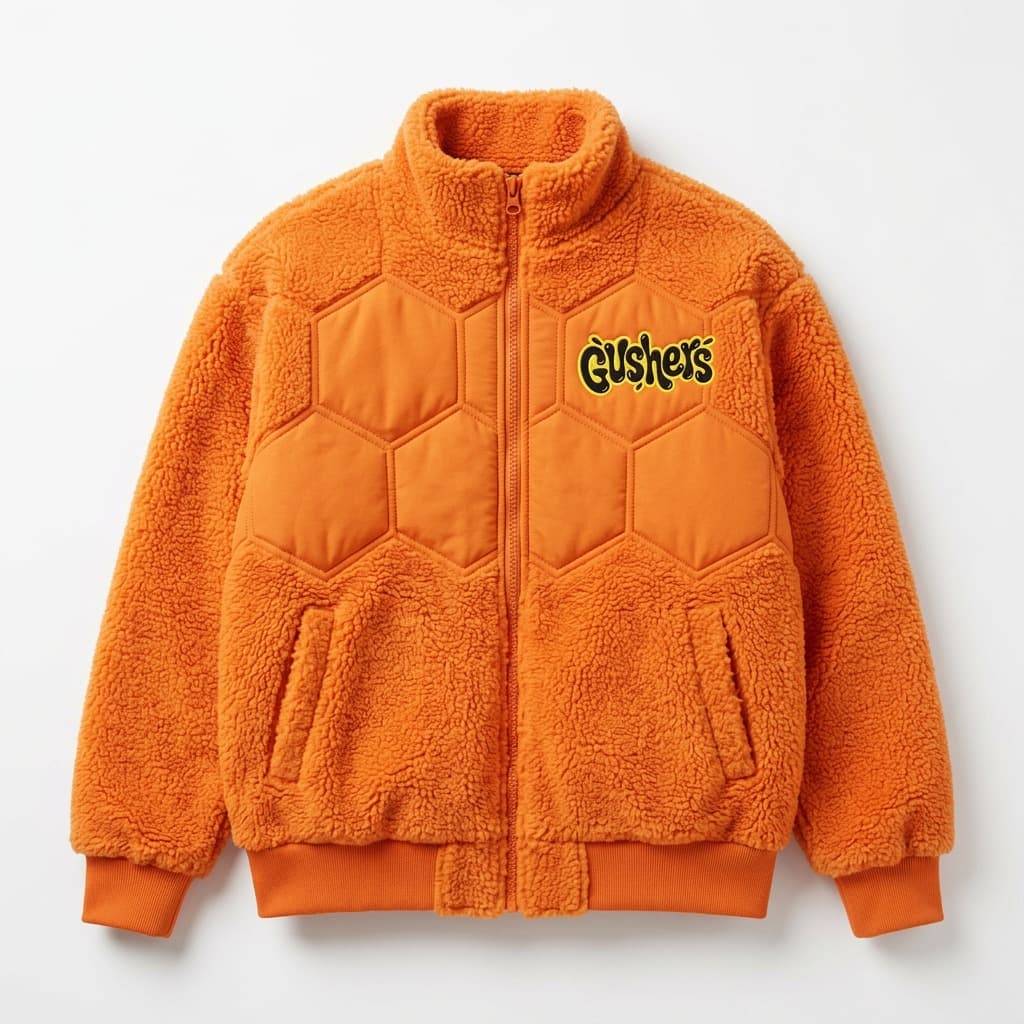
A limited-edition Gushers, Fruit by the Foot, and Fruit Roll-Ups collection sold out in under an hour. Here's how we designed it and what every brand can take from the drop.
Key takeaways
Merch.com's limited Gushers, Fruit by the Foot, and Fruit Roll-Ups collection sold out in under an hour because every layer (apparel weight, decoration, packaging, exclusivity) was built to retail standard, not promo standard.
The short version of how the collection moved so fast:
- A limited-edition merch drop sold out in under an hour because every layer (apparel weight, decoration, packaging, exclusivity) held up to retail.
- The teams buying branded merch in 2026 are the same people buying KITH and Fear of God on weekends, and they read quality in seconds.
- Designing for emotional pull beats designing around a logo placement.
- Scarcity framing changes inventory forecasting and turns merch into a content engine.
- The brands moving fastest treat merch as a product line, not a budget line item.
Drop snapshot
A categorical view of what the drop looked like operationally:
- Drop window: under 60 minutes from go-live to sold out.
- Apparel base: heavyweight, retail-tier cotton.
- Decoration: domestic, executed at retail-grade quality.
- Packaging: custom, retail-tier. No poly mailers, no stock cartons.
- Restock policy: none. Single production run by design.
Why did this nostalgia drop sell out in under an hour?
The result wasn't a fluke. It's a signal of where corporate merch is going. The teams ordering merch today are the same people buying KITH and Fear of God for themselves on weekends. They notice when a hem is wrong, when a label is flimsy, when a graphic cracks after two washes. When a piece comes from a brand they care about, they expect it to compete with the streetwear they already wear.
That bar is what made the Gushers and Fruit Roll-Ups drop work. The emotional pull was already there. What changed in the last few years is the production capability to match it: domestic decoration, retail-tier sourcing, and packaging that doesn't look like it came from a trade show booth.
How we treated the design brief
The brief on day one was to treat the work like a streetwear label launching a capsule, not a vendor printing promo items. That single framing decision changes every choice downstream.
We started with heavyweight apparel as the base. Weight is the easiest signal of quality a buyer reads in five seconds. Lightweight blanks instantly read as giveaway merch, no matter what graphic is on the chest. From there we built graphics that pulled real visual cues from original Gushers and Fruit Roll-Ups packaging instead of relying on a logo placement. Custom woven labels replaced printed neck tags. Retail-grade packaging gave the piece a moment when the customer opened it. Color palettes were taken from the candy itself, not the brand corporate color guide.
The detail that mattered most wasn't any single decorative choice. It was that every layer of the product made the same statement: this was made for fans, not for filler.
What does limited-edition framing actually do for a campaign?
Scarcity isn't a marketing trick. For a B2B brand running a campaign, it's part of what makes the unit economics work.
When buyers know there's no restock window, two things change. Demand compresses into a short period, which means you don't have to forecast inventory across a long tail of seasonal interest. And the units that do ship behave like collectibles rather than disposables. They get worn, photographed, and posted, which is what keeps the brand visible long after the campaign budget closes.
For the Gushers and Fruit Roll-Ups collection, the no-second-run framing was set before anyone designed a single piece. It shaped which products we built, which we cut, and how the launch was positioned. The drop was designed to leave some on the table, not satisfy every buyer.
What this means for your next merch program
The takeaway for a B2B brand team is not "do a nostalgia drop." Nostalgia worked here because it was authentic to the source brand. For a different company the pull might be a milestone, a community moment, a launch, or a fan-base celebration.
What's universal is the standard. Branded merch only works at this level when apparel weight, decoration quality, packaging, and exclusivity all hold up to retail. Compromise on any one of those layers and the result reverts to swag, regardless of how good the artwork is.
If your team is planning a drop, book a 15-minute walkthrough and we'll map your build (production, decoration, packaging, fulfillment, campaign) in one place. The Gushers and Fruit Roll-Ups launch went out the door that way, and that's why we could move from concept to sold-out drop without anything breaking in between.
Related case studies: Apple TV+ Merch Marketing and Executive Gifting for Google.
Glossary: terms used in this case study
Quick reference for terms used in this case study:
- Drop: a limited-quantity, time-bounded merchandise release, borrowed from streetwear.
- Decoration: any process that puts a graphic on a blank product, screen print, embroidery, DTG, or sublimation.
- Blanks: undecorated apparel or accessories used as the base for decoration.
- Capsule: a small, cohesive product collection released as a set, typically tied to a theme or moment.
Ready to build your merch?
Custom design, production, campaigns, and global fulfillment. One partner, zero platform fees. Nothing off a catalog.
Create an account to browse, design, and request orders right away. A discovery call with your rep completes onboarding.